

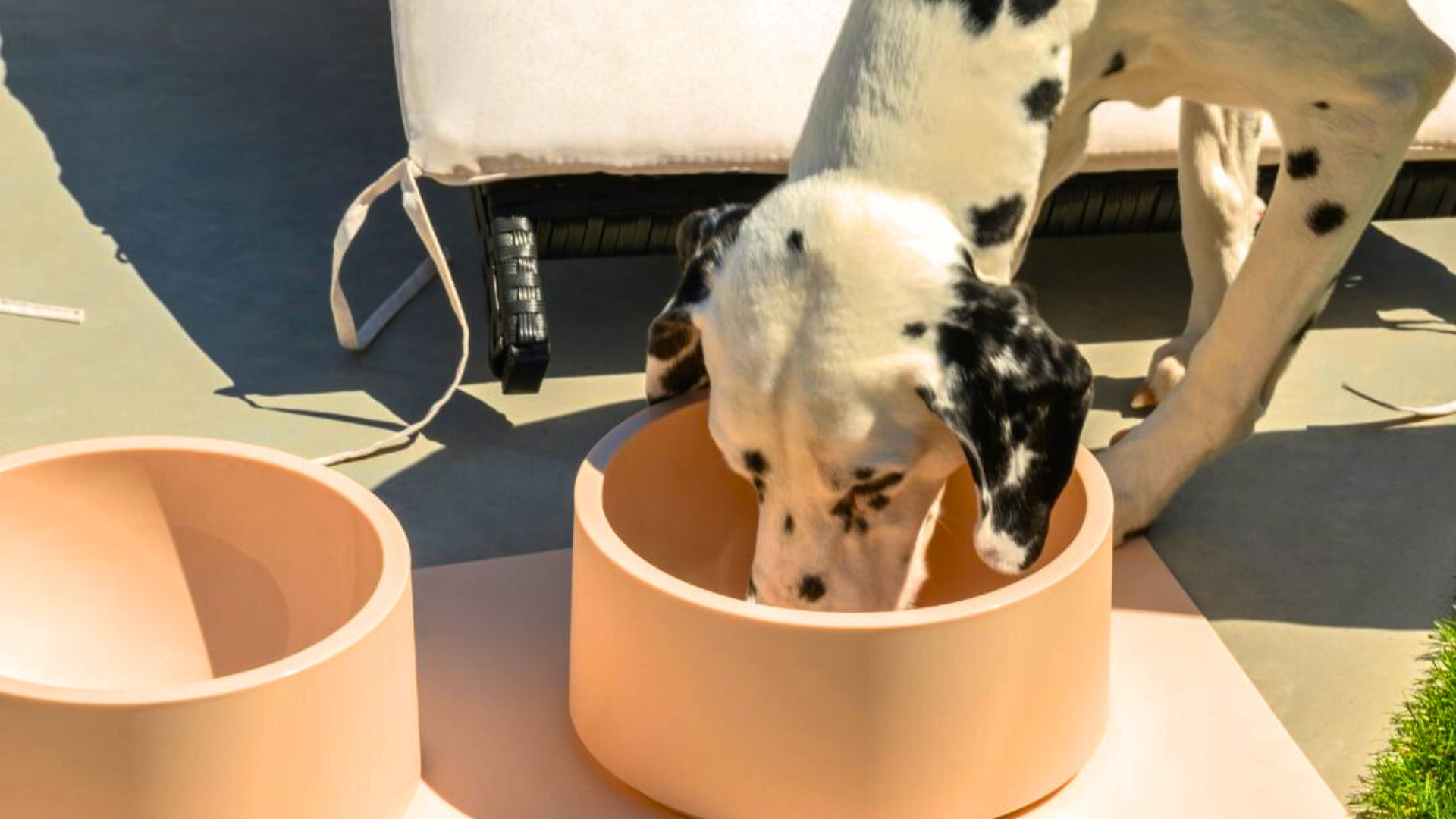
Why Your Pet’s Bowl Matters More Than You Think
Your pet’s bowl touches food and water multiple times a day. The right choice improves hygiene, reduces mess, supports natural posture, and even helps sensitive eaters feel calmer at mealtime. The wrong one? It can harbor bacteria, slide around, chip, or irritate whiskers and gums.
Pick the Right Material
Stainless steel
-
Pros: Lightweight, durable, non-porous, easy to sanitize, usually dishwasher-safe.
-
Ideal for: All-rounders, multi-pet homes, travel.
-
Watch for: Thin steel that dents; seams that trap grime.
Ceramic / Stoneware
-
Pros: Heavier (stays put), premium look, smooth glazed surface, great for quiet eaters.
-
Ideal for: Design-led homes, cats and small dogs who dislike bowl movement.
-
Watch for: Ensure lead-free, food-safe glazes; avoid cheap finishes that chip.
Glass
-
Pros: Non-porous, easy to inspect cleanliness, minimalist style.
-
Ideal for: Water bowls; pets with plastic sensitivities.
-
Watch for: Breakage risk on hard floors; choose tempered where possible.
Food-grade silicone
-
Pros: Foldable travel mats/bowls, lightweight, quiet.
-
Ideal for: On-the-go feeding, camping.
-
Watch for: Odor retention if not cleaned thoroughly.
BPA-free plastic (use sparingly)
-
Pros: Light, inexpensive.
-
Watch for: Scratches harbor bacteria; replace often.
Style tip: If your home has warm woods and neutral textiles, matte stoneware or ceramic bowls read “calm luxury” while stainless adds a clean, modern note.
Size & Depth: Match the Bowl to the Muzzle
-
Cats & flat-faced breeds (pugs, bulldogs): Choose shallow, wide bowls to reduce whisker fatigue and avoid nose rub.
-
Medium to large dogs: A medium-depth bowl prevents spillage without forcing a steep head angle.
-
Giant breeds: Wider diameter for tongue room; consider weighty bases to resist sliding.
Quick fit check: When eating, your pet’s neck should be neutral—not craned down sharply or lifted uncomfortably high.
Elevated vs. Floor-Level: What’s Actually Helpful?
-
Floor-level is fine for most pets and often preferred for cats.
-
Slight elevation can be useful for tall or senior dogs to reduce stooping and make swallowing more relaxed.
-
Avoid overly high setups that push the head above a natural line. If you elevate, do it just a little and monitor comfort.
Special Designs: When to Consider Them
Slow-feeder bowls
-
Great for gulpers; sculpted channels slow intake and reduce air swallowing.
-
Choose gentle patterns (no sharp ridges) and non-slip bases.
Non-slip bases / heavier bowls
-
Protect floors, reduce chasing bowls, and lower spillage—handy for eager eaters.
Wide, flat rims
-
Easier to pick up; also help cats avoid whisker stress.
Matching trays / mats
-
Catch crumbs and splashes; choose silicone or a lip-edged tray for quick cleanup.
Hygiene & Care: Your Daily Routine
-
Rinse after every meal; wash daily. Warm water + mild dish soap; air-dry fully.
-
Weekly deep clean. For steel/glass/fully glazed ceramic, a vinegar or baking soda cycle can help de-odor.
-
Inspect surfaces. Replace if chipped, crazed (fine cracks in glaze), or deeply scratched.
-
Water refresh. Replace at least twice daily; scrub slime (biofilm) every day.
Style That Works With Your Home (and Your Pet)
-
Neutral stoneware integrates with most interiors and photographs beautifully.
-
Sculpted profiles (soft curves, weighty base, low center of gravity) look premium and stay put.
-
Tone-on-tone palettes (greige, charcoal, oat) create a calm feeding corner that doesn’t scream “pet gear.”
Many owners love a weighty, glazed stoneware bowl with a non-slip base and smooth interior—elegant on the counter, quiet on the floor, easy to clean. (Think: a minimalist, premium bowl that feels substantial in the hand and resists sliding.)
A Quiet Upgrade for Picky or Sensitive Eaters
If your pet is fussy, try:
-
Shallower, wider bowls (especially for cats)
-
Heavier base + non-slip to reduce clatter and movement
-
Smooth, fully glazed interior so food doesn’t cling
-
Slightly raised placement for seniors or tall dogs
This combo often turns “hover-and-leave” into relaxed, complete meals.
Quick Checklist Before You Buy
-
Food-safe, lead-free, BPA-free?
-
Non-porous surface, no chips or hairline cracks
-
Appropriate diameter and depth for muzzle/whiskers
-
Stays put (weight or non-slip)
-
Easy to wash daily; tolerates dishwasher (if applicable)
-
Complements your home style (you’ll see it every day!)
The Subtle, Stylish Choice
If you’re after a bowl that marries health, hygiene, and quiet luxury, look for a weighty, minimalist stoneware design with a food-safe glaze and non-slip base, you can check Nico Bowl from Joué. This kind of piece that feels crafted, not mass-made, and looks at home on your kitchen floor. It keeps meals calm, cleans up easily, and elevates your pet’s daily routine without shouting for attention.
FAQs
Q: Are ceramic bowls safe?
A: Yes - when they use lead-free, food-safe glazes and show no chips or crazing. Heavier ceramic/stoneware also reduces sliding.
Q: Do cats need special bowls?
A: Many cats prefer shallow, wide dishes to avoid whisker fatigue. A heavy base helps quiet, stress-free meals.
Q: How often should I wash bowls?
A: Rinse after each use and wash daily. Deep clean weekly. Replace any bowl that’s damaged or heavily scratched.
Q: Should I elevate my dog’s bowl?
A: A slight lift can aid tall or senior dogs. Keep the head/neck neutral and observe comfort - avoid excessive height.
Q: Are slow feeders worth it?
A: For fast eaters, yes. Choose designs that slow without frustrating-smooth channels, stable base.


