

Reflections
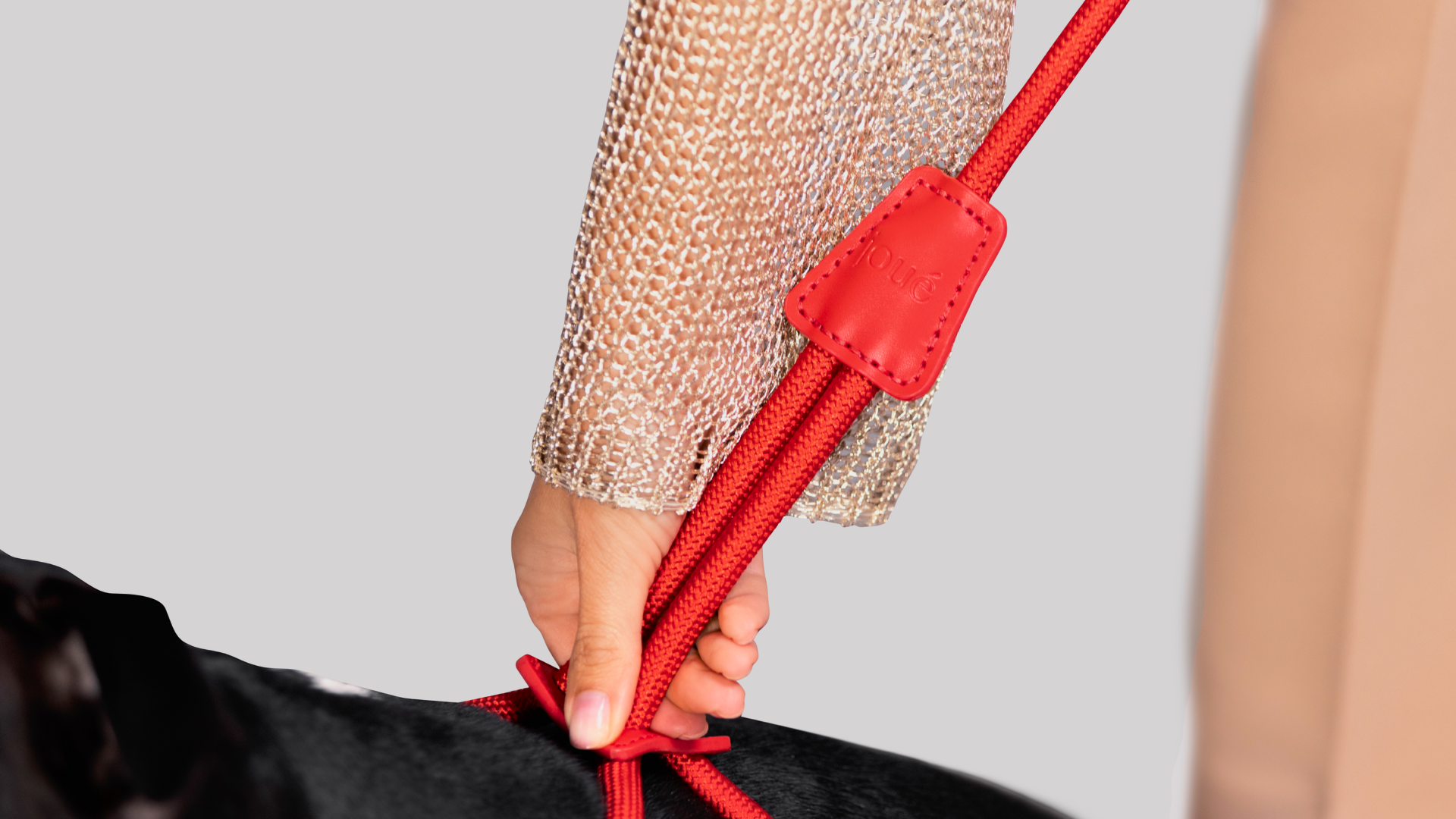

How Routine Builds Trust Between You and Your Dog
How Routine Builds Trust Between You and Your Dog Why Routine = Trust Dogs thrive on predictability. When meals, walks, play, and rest happen on a steady rhythm, your dog learns the world is safe and you are reliable. That predictability lowers anxiety, improves responsiveness, and deepens your bond. Over time, routine transforms you from “the human with treats” to the leader they trust. What trust looks like in daily life: When you build a consistent routine with your dog, you’ll notice the little changes that make your bond stronger every day. Softer eye contact and relaxed body language begin to replace tension, while recall becomes faster and leash manners improve naturally. Your dog becomes less reactive to noises, guests, or new places, and transitions like leaving or returning home, bedtime, or even vet visits feel easier and calmer. The Core Routine: Four Anchors of the Day Feeding Windows (2× per day for most adults) Consistent timing supports digestion and predictable potty breaks. Use calm cues (“sit, wait”) before placing the bowl to build impulse control and trust. Walks & Potty Breaks Schedule regular outdoor time (morning and evening minimum). Keep the order the same: clip leash → door manners → calm exit. Your dog learns what happens next—no guesswork, less pulling. Training Micro-Sessions (5–7 minutes) Short, daily reps beat long, occasional drills. Rotate sit/down, loose-leash skills, name recognition, and recall. Consistency builds confidence: “I understand what you ask, and I can succeed.” Rest & Wind-Down Protect quiet hours. Offer a mat, crate, or defined bed space daily. When rest is predictable, arousal drops and self-soothing improves. Sample Day Plan (Adjust to Your Lifestyle) 7:00am Morning potty + 15–20 min walk 7:30am Breakfast + 3-minute manners (sit, wait, release) 12:30pm Midday potty + sniffer (slow, nose-led walk) 5:30pm Short training session + enrichment toy (lick mat, snuffle mat) 6:30pm Dinner + calm handling (gentle brushing, paw checks) 9:30pm Quiet time routine (dim lights, soft cues, final potty) Even if your clock shifts, keep the order consistent. Dogs index on sequence almost as much as on time. How Routine Shapes Better Behavior As pup parents, we quickly learn that our dogs thrive on routine, it gives them the confidence to understand what’s expected and helps us build trust with them day by day. Simple habits, like asking your dog to “sit” and “wait” at doors or before meals, slowly teach patience and impulse control. Walking the same route with the same loose-leash rules makes outings calmer, because there are fewer surprises for both you and your pup to manage. When you practice recalling in easy, low-distraction moments every day, it becomes second nature. So, when you really need it, your dog responds without hesitation. Even reactivity to noises, guests, or new places starts to fade when your pup can rely on predictable routines and relaxing decompression walks. These little consistencies may seem small, but together they create a rhythm of trust that makes life smoother for both you and your best friend. Personalize Without Breaking the Pattern Every dog is different. Keep the framework steady while swapping the flavor: High-energy day? Keep walk time, change route difficulty. Rainy day? Same slot but do hallway fetch or food puzzles. Busy evening? Shorten duration, keep training cue order. Your dog learns: the world can change; our rhythm doesn’t and that’s trust. The Takeaway Routine is the simplest, most humane way to build trust, lower stress, and improve behavior. Anchor your day with predictable meals, walks, short training, enrichment, and rest. Your dog will read your consistency as safety—and meet it with focus, calm, and connection. FAQs How long until routine improves trust? Many dogs relax within 1–2 weeks of consistent anchors. Big progress shows up in 30 days. What if my schedule is unpredictable? Keep the sequence steady even if times shift: potty → walk → breakfast → rest. Use phone reminders to preserve order. Can too much routine make my dog rigid? Balance is key. Keep anchors consistent but sprinkle-controlled novelty (new sniff routes, new puzzles) so flexibility grows alongside security. How many training sessions per day? Two micro-sessions (5–7 minutes each) are ideal. End on a success.
Learn more
How to Choose the Perfect Pet Bowl for Health, Hygiene & Style
Why Your Pet’s Bowl Matters More Than You Think Your pet’s bowl touches food and water multiple times a day. The right choice improves hygiene, reduces mess, supports natural posture, and even helps sensitive eaters feel calmer at mealtime. The wrong one? It can harbor bacteria, slide around, chip, or irritate whiskers and gums. Pick the Right Material Stainless steel Pros: Lightweight, durable, non-porous, easy to sanitize, usually dishwasher-safe. Ideal for: All-rounders, multi-pet homes, travel. Watch for: Thin steel that dents; seams that trap grime. Ceramic / Stoneware Pros: Heavier (stays put), premium look, smooth glazed surface, great for quiet eaters. Ideal for: Design-led homes, cats and small dogs who dislike bowl movement. Watch for: Ensure lead-free, food-safe glazes; avoid cheap finishes that chip. Glass Pros: Non-porous, easy to inspect cleanliness, minimalist style. Ideal for: Water bowls; pets with plastic sensitivities. Watch for: Breakage risk on hard floors; choose tempered where possible. Food-grade silicone Pros: Foldable travel mats/bowls, lightweight, quiet. Ideal for: On-the-go feeding, camping. Watch for: Odor retention if not cleaned thoroughly. BPA-free plastic (use sparingly) Pros: Light, inexpensive. Watch for: Scratches harbor bacteria; replace often. Style tip: If your home has warm woods and neutral textiles, matte stoneware or ceramic bowls read “calm luxury” while stainless adds a clean, modern note. Size & Depth: Match the Bowl to the Muzzle Cats & flat-faced breeds (pugs, bulldogs): Choose shallow, wide bowls to reduce whisker fatigue and avoid nose rub. Medium to large dogs: A medium-depth bowl prevents spillage without forcing a steep head angle. Giant breeds: Wider diameter for tongue room; consider weighty bases to resist sliding. Quick fit check: When eating, your pet’s neck should be neutral—not craned down sharply or lifted uncomfortably high. Elevated vs. Floor-Level: What’s Actually Helpful? Floor-level is fine for most pets and often preferred for cats. Slight elevation can be useful for tall or senior dogs to reduce stooping and make swallowing more relaxed. Avoid overly high setups that push the head above a natural line. If you elevate, do it just a little and monitor comfort. Special Designs: When to Consider Them Slow-feeder bowls Great for gulpers; sculpted channels slow intake and reduce air swallowing. Choose gentle patterns (no sharp ridges) and non-slip bases. Non-slip bases / heavier bowls Protect floors, reduce chasing bowls, and lower spillage—handy for eager eaters. Wide, flat rims Easier to pick up; also help cats avoid whisker stress. Matching trays / mats Catch crumbs and splashes; choose silicone or a lip-edged tray for quick cleanup. Hygiene & Care: Your Daily Routine Rinse after every meal; wash daily. Warm water + mild dish soap; air-dry fully. Weekly deep clean. For steel/glass/fully glazed ceramic, a vinegar or baking soda cycle can help de-odor. Inspect surfaces. Replace if chipped, crazed (fine cracks in glaze), or deeply scratched. Water refresh. Replace at least twice daily; scrub slime (biofilm) every day. Style That Works With Your Home (and Your Pet) Neutral stoneware integrates with most interiors and photographs beautifully. Sculpted profiles (soft curves, weighty base, low center of gravity) look premium and stay put. Tone-on-tone palettes (greige, charcoal, oat) create a calm feeding corner that doesn’t scream “pet gear.” Many owners love a weighty, glazed stoneware bowl with a non-slip base and smooth interior—elegant on the counter, quiet on the floor, easy to clean. (Think: a minimalist, premium bowl that feels substantial in the hand and resists sliding.) A Quiet Upgrade for Picky or Sensitive Eaters If your pet is fussy, try: Shallower, wider bowls (especially for cats) Heavier base + non-slip to reduce clatter and movement Smooth, fully glazed interior so food doesn’t cling Slightly raised placement for seniors or tall dogs This combo often turns “hover-and-leave” into relaxed, complete meals. Quick Checklist Before You Buy Food-safe, lead-free, BPA-free? Non-porous surface, no chips or hairline cracks Appropriate diameter and depth for muzzle/whiskers Stays put (weight or non-slip) Easy to wash daily; tolerates dishwasher (if applicable) Complements your home style (you’ll see it every day!) The Subtle, Stylish Choice If you’re after a bowl that marries health, hygiene, and quiet luxury, look for a weighty, minimalist stoneware design with a food-safe glaze and non-slip base, you can check Nico Bowl from Joué. This kind of piece that feels crafted, not mass-made, and looks at home on your kitchen floor. It keeps meals calm, cleans up easily, and elevates your pet’s daily routine without shouting for attention. FAQs Q: Are ceramic bowls safe?A: Yes - when they use lead-free, food-safe glazes and show no chips or crazing. Heavier ceramic/stoneware also reduces sliding. Q: Do cats need special bowls?A: Many cats prefer shallow, wide dishes to avoid whisker fatigue. A heavy base helps quiet, stress-free meals. Q: How often should I wash bowls?A: Rinse after each use and wash daily. Deep clean weekly. Replace any bowl that’s damaged or heavily scratched. Q: Should I elevate my dog’s bowl?A: A slight lift can aid tall or senior dogs. Keep the head/neck neutral and observe comfort - avoid excessive height. Q: Are slow feeders worth it?A: For fast eaters, yes. Choose designs that slow without frustrating-smooth channels, stable base.
Learn more
The Importance of Establishing a Daily Routine for Your Pet
Establishing a daily routine for your pet is crucial for maintaining their health, sleep, exercise, and overall well-being. Just like humans, pets thrive on consistency and structure, which can help reduce anxiety, improve behavior, and enhance their quality of life. Creating a routine not only benefits your pet but can also help pet owners maintain their own daily schedule.
Learn more
The Humanization of Pets: A Growing Trend in Pet Ownership
In recent years, the concept of pet ownership has evolved significantly. Pets are no longer seen merely as companions; they are considered integral members of the family. This trend, known as the "humanization of pets," is shaping how owners treat their pets, the products they purchase, and the overall pet consumer market. Let's explore how this cultural shift is influencing pet care and consumer behavior. Pets as Family Members The humanization of pets reflects a shift in societal attitudes, where pets are treated more like family members than ever before. According to a study by the American Pet Products Association (APPA), 95% of pet owners consider their pets as part of the family. This mindset is driving owners to prioritize their pets' well-being, comfort, and happiness, much like they would for any other family member. 1. Emotional Connection: Pet owners today often form deep emotional bonds with their animals, which influences their treatment of pets as sentient beings deserving of care, attention, and love. This emotional connection is evident in the rise of pet-friendly workplaces, pet-centric events, and pet travel accommodations. 2. Celebrating Milestones: Many pet owners celebrate their pets' birthdays, adoptaversaries, and even holidays by organizing parties and giving gifts. Social media platforms are filled with posts of pets wearing party hats, enjoying special treats, and being pampered like royalty. Impact on Consumer Purchasing Habits The humanization trend is significantly influencing pet consumer purchasing habits. Pet owners are increasingly willing to spend more on premium products and services that cater to their pets' needs and preferences. 1. Premium Pet Products: The demand for high-quality, premium pet products has skyrocketed. Owners are opting for organic pet food, designer clothing, and luxury pet accessories. According to a report by Grand View Research, the global pet care market size is expected to reach $232 billion by 2032, driven by increased spending on premium and specialized products. 2. Health and Wellness: Just as humans are becoming more health-conscious, pet owners are focusing on their pets' health and wellness. There is a growing interest in natural and holistic pet foods, supplements, and alternative therapies like acupuncture and massage. 3. Pet Tech and Gadgets: The rise of pet tech is another manifestation of this trend. From GPS trackers and smart feeders to pet cameras and interactive toys, technology is being used to enhance pets' lives and provide peace of mind to owners. The Rise of Pet Services The humanization of pets has also led to an increase in pet-related services. Pet owners are seeking out services that cater to their pets' physical and emotional needs. 1. Pet Daycare and Boarding: With busy lifestyles, many pet owners rely on daycare and boarding facilities to care for their pets during work hours or vacations. These services often include playtime, socialization, and grooming, ensuring pets are well-cared for in their owners' absence. 2. Training and Behavior Programs: Professional training and behavior programs are in high demand as owners seek to improve their pets' behavior and ensure a harmonious household. 3. Pet Insurance: As pets become valued family members, owners are more inclined to invest in pet insurance to cover unexpected veterinary expenses and ensure their pets receive the best medical care. Marketing and Branding The humanization trend has also influenced how pet brands market and position their products. Brands are tapping into the emotional connection between owners and pets, creating marketing campaigns that resonate with consumers on a personal level. 1. Storytelling and Brand Identity: Brands are using storytelling to create an emotional connection with pet owners. They emphasize the benefits of their products in terms of enhancing pets' lives and strengthening the bond between owners and pets. 2. Social Media Engagement: Social media platforms play a crucial role in engaging with pet owners. Brands leverage user-generated content, influencer partnerships, and interactive campaigns to build communities of passionate pet lovers. Final Thought The humanization of pets is more than just a trend; it reflects a fundamental shift in how we perceive and care for our animal companions. As pets become cherished members of the family, the demand for high-quality products, services, and experiences that cater to their needs will continue to grow. This cultural shift presents exciting opportunities for pet brands to innovate and connect with consumers on a deeper level, ensuring pets receive the love and care they deserve.
Learn more
Slow Feeders and Lick Mats: A Healthy Revolution in Pet Care
In recent years, slow feeders and lick mats have become increasingly popular among pet owners. These innovative feeding accessories are not just a trend; they address significant aspects of pet health and well-being. Let’s explore the reasons behind this growing demand and the benefits these tools offer to our furry friends. Why Slow Feeders and Lick Mats Are Gaining Popularity Promoting Healthy Eating Habits One of the primary reasons slow feeders and lick mats are becoming a staple in pet households is their ability to promote healthier eating habits. Pets, especially dogs, tend to eat rapidly, which can lead to various digestive issues such as bloating, gas, and even life-threatening conditions like gastric torsion. Slow feeders encourage pets to eat at a more relaxed pace, reducing the risk of these problems. Enhancing Gut Health Proper digestion is crucial for maintaining gut health in pets. Slow feeders help by encouraging pets to chew their food more thoroughly, which aids in better digestion and nutrient absorption. This can lead to improved overall health, increased energy levels, and a healthier coat and skin. Providing Mental Stimulation Slow feeders and lick mats offer excellent mental stimulation, turning mealtime into an engaging activity. This can be particularly beneficial for intelligent breeds that require mental challenges to prevent boredom. The act of working to get their food can reduce anxiety and promote calm behavior, as pets focus their energy on solving the "puzzle" of accessing their meal. Encouraging Natural Behaviors Both slow feeders and lick mats mimic natural foraging and hunting behaviors. For dogs and cats, these activities are instinctual and provide an opportunity for pets to engage in behaviors that they would naturally perform in the wild. This can lead to increased satisfaction and happiness during mealtime. Weight Management and Portion Control Overeating is a common issue among pets, leading to obesity and related health problems. Slow feeders and lick mats help regulate the amount of food pets consume by slowing down their eating pace. This makes it easier for owners to manage portion sizes and monitor their pet's calorie intake. Final Thought The rising trend of slow feeders and lick mats reflects a broader shift towards more thoughtful and informed pet care. As pet owners become more aware of the importance of promoting mental stimulation, healthy eating habits, and overall well-being, these tools are likely to continue growing in popularity. By incorporating slow feeders and lick mats into your pet's routine, you're not only enhancing their quality of life but also investing in their long-term health and happiness. For pet owners looking to provide the best for their furry companions, slow feeders and lick mats are an essential addition to their pet care toolkit. Whether your goal is to improve digestion, manage weight, or simply make mealtime more engaging, these innovative feeding solutions offer a wealth of benefits for both pets and their owners.
Learn more
The Rise of Personalized Pet Nutrition: A Tailored Approach to Your Pet's Health
In the ever-evolving world of pet care, personalized pet nutrition stands out as a progressive trend, reshaping how pet parents think about their furry friends' dietary needs. This customized approach to feeding pets is gaining momentum, driven by the understanding that like humans, each pet is unique, with distinct health requirements, preferences, and lifestyles. Let's delve into the benefits of personalized pet nutrition, how it works, things to consider, and why it's becoming the preferred choice over traditional, ready-available pet foods. Benefits for Pets Optimal Health and Wellness Personalized pet nutrition tailors diets to meet the specific nutritional needs of each pet, considering factors like age, breed, weight, activity level, and health issues. This precision ensures that pets receive the exact nutrients required for optimal health, vitality, and longevity. Allergy and Sensitivity Management Many pets suffer from food allergies or sensitivities that generic pet foods can exacerbate. Personalized diets can eliminate problematic ingredients, reducing the risk of allergic reactions and digestive issues. Weight Management Customized meal plans can address weight concerns more effectively than one-size-fits-all diets. Whether the goal is weight loss or gain, personalized nutrition ensures the right balance of calories and nutrients. Improved Digestion By using high-quality, easily digestible ingredients tailored to the pet's digestive system, personalized nutrition promotes better gastrointestinal health, leading to improved overall well-being. How Does Personalized Pet Nutrition Work? Personalized pet nutrition begins with a detailed assessment of the pet's health status, lifestyle, and nutritional needs. This can involve consultations with veterinarians or specialists in pet nutrition. Based on this assessment, a tailored diet plan is formulated, specifying the type and quantity of food, feeding schedules, and sometimes even specific brands or homemade recipes. The plan may also include supplements to address any nutritional gaps. Technology plays a crucial role in this process, with numerous companies offering online platforms where pet owners can input their pet's details to receive customized meal plans and nutrition advice. Some services even deliver pre-portioned, customized meals directly to your door, making it easier to follow the nutrition plan. Things to Consider Cost Personalized nutrition plans can be more expensive than commercial pet foods. It's important to weigh the long-term health benefits against the cost. Time and Effort Preparing customized meals may require more time and effort, especially if the plan includes homemade recipes. For busy pet owners, subscription services that deliver personalized meals can be a convenient option. Regular Monitoring and Adjustment A pet's nutritional needs can change over time due to aging, health status, and lifestyle changes. Regular check-ups and consultations are essential to adjust the diet plan accordingly. Why Choose Personalized Pet Nutrition Over Ready-Made Pet Food? While ready-made pet foods provide convenience and are formulated to meet the general nutritional standards for pets, they cannot cater to the individual nuances of each pet's health and lifestyle. Personalized pet nutrition offers a solution that acknowledges and addresses these differences, promoting a more holistic approach to pet health. In essence, the shift towards personalized pet nutrition reflects a broader trend in pet care—one that sees pets not just as animals, but as cherished family members with distinct needs and personalities. As research in pet nutrition continues to advance, personalized diets are set to become an integral part of holistic pet health, ensuring our furry companions lead happier, healthier lives.
Learn more
Are CBD Pet Supplements Right For My Pet?
The use of Cannabidiol (CBD) in pet supplements has gained significant traction over the years. This non-psychoactive component of cannabis is being explored for its potential benefits in animals, much like its growing popularity among humans. This guide aims to delve into the benefits and concerns associated with CBD-based pet supplements, offering insights into their proper introduction and use. Benefits of CBD for Pets Anxiety Relief: Just like in humans, CBD has been observed to help reduce anxiety in pets, including separation anxiety or noise phobia. Pain Management: CBD's anti-inflammatory properties can aid in managing chronic pain in pets, potentially improving their quality of life. Seizure Control: There is emerging evidence that CBD may help control seizures in pets, especially those with conditions like epilepsy. Appetite Stimulation: For pets struggling with eating, CBD may stimulate appetite and help combat nausea. Cancer and Disease Support: While research is ongoing, there is some belief that CBD can support pets undergoing cancer treatment or suffering from other serious diseases, by alleviating symptoms and possibly having anti-tumor effects. Concerns and Considerations Despite the benefits, there are several concerns to consider before introducing CBD into your pet's routine: Lack of Regulation: The CBD market for pets is largely unregulated, making it crucial to select high-quality, lab-tested products from reputable brands. Potential Side Effects: Though generally considered safe, CBD can cause side effects in some pets, including dry mouth, lowered blood pressure, or drowsiness. Interactions with Other Medications: CBD can interact with other medications your pet might be taking. It's important to consult with a veterinarian before starting CBD. Legal Issues: The legality of CBD products can vary by location, so it's important to understand local laws. Introducing and Using CBD for Pets When introducing CBD to your pet, start with a low dose and closely monitor their response. Here’s how to proceed: Consult Your Veterinarian: Before starting, have a discussion with your veterinarian, especially if your pet has underlying health issues or takes medication. Choose the Right Product: Opt for pet-specific CBD products and check for third-party lab results to ensure quality and safety. Start Small: Begin with a low dose and gradually increase it based on your pet's size, age, and the intended effect, observing for any side effects. Monitor Closely: Pay close attention to how your pet reacts to CBD, both immediately and over time. When to Use CBD for Your Pet CBD might be a suitable option for your pet if they are experiencing: Chronic pain or arthritis Anxiety or stress-related issues Seizures or epilepsy Appetite loss or digestive issues Symptoms associated with cancer However, it’s crucial not to use CBD as a substitute for veterinary care or prescribed medications without professional guidance. Is CBD Right for My Pet? Determining whether CBD is right for your pet requires careful consideration and professional advice. Evaluate your pet’s health condition, consider the potential benefits and risks, and discuss with your veterinarian. Remember, what works for one pet may not work for another, and the goal is always the wellbeing and comfort of your furry friend. CBD-based supplements can offer several benefits for pets, from pain relief to anxiety reduction. However, it's essential to approach their use with caution, prioritize high-quality products, and involve a veterinarian in the decision-making process. By doing so, you can ensure the safest and most effective use of CBD for your pet's unique needs.
Learn more
Pet Tracking Devices for Dogs and Cats
In this golden age of pet care, where our four-legged friends can enjoy the luxuries of technology just as much as we do, 2024 has introduced some of the most innovative pet tracking devices for our canine and feline companions. These gadgets ensure that whether your pet is a daring explorer or a cozy couch potato, they remain within your loving gaze (digitally, at least). So, let's embark on a journey through the latest in pet tech, where high-tech meets high tails and purring engines. For Our Feline Friends: The Ultimate Spy Gear Imagine a device tailored for the cat who believes they're the next undercover agent. Equipped with GPS tracking, live video capabilities, and an interactive laser toy, this collar ensures that your cat's adventures are monitored, fun, and safe. It's built to withstand the elements and the occasional temper tantrum, making it perfect for every kitty's nine lives. For the Social Butterfly Dog Then, there's the dream gadget for the dog who's the life of the park. This smart collar doesn't just track your dog's whereabouts; it also keeps tabs on their social calendar. With it, you can find out who your dog's best pals are, monitor their playtimes, and even check the health status of their newfound friends. It's essentially a social network for your dog, fostering friendships without the messy politics. For Both: The Dual-Duty Devices There are also devices designed to cater to both dogs and cats, offering peace of mind to the pet parent who loves both equally. These gadgets come with robust GPS tracking, activity monitoring, and even health insights, allowing you to keep a virtual eye on your pet's location, exercise levels, and well-being. Whether your pet prefers to scale fences or chase their tail, these devices ensure they're doing so safely. The Adventure Enhancers For the pet that has an insatiable curiosity, some devices are designed to map out their explorations, offering insights into where they roam, their favorite spots, and even their nap locations. These gadgets are designed with durability in mind, ensuring that a little rain, mud, or a splash in the puddle doesn't stop the adventure. Keeping Them Close, No Matter Where They Roam As we delve into these advancements in pet technology, it's evident that our beloved dogs and cats can enjoy a level of safety and fun like never before. The era of anxiously waiting by the door for their return is being replaced by real-time updates on their adventures, health, and happiness. So, whether your cat is the neighborhood's stealthy explorer or your dog is the friendliest tail-wagger in the park, the latest pet tracking devices of 2024 ensure that their journeys are safe, monitored, and filled with love. In the end, isn't that what being a pet parent is all about?
Learn more
Separation Anxiety in Pets: Tips For Managing It
Our furry friends are like family, so it's natural to want to spend as much time with them as possible. But sometimes, we have to leave them alone. If your pet has separation anxiety, this can be a stressful experience for both of you. Separation anxiety is a common condition in pets, and it can manifest in a variety of ways, such as: Excessive barking, whining, or meowing Destructive behavior (e.g., chewing furniture or shoes) Potty accidents in the house Pacing or attempting to escape Overly exuberant greetings The good news is that separation anxiety is treatable. Here are some tips to help you manage your pet's separation anxiety: Develop a routine. Pets thrive on routine. Consistency in feeding, bathroom breaks, and exercise can provide a sense of security and predictability. Provide physical and mental stimulation. Exercise your pet regularly and engage them in play and training sessions. This can help reduce anxiety and build confidence. Desensitize your pet to being alone. Start by leaving your pet alone for short periods of time and gradually increase the duration. Make departures and arrivals low-key to avoid increasing anxiety. Create a safe space for your pet. Make sure your pet has a comfortable and secure place to relax when you're not home. Leave interactive toys and treats. This can help keep your pet entertained and mentally engaged while you're away. Consider using calming products. There are a variety of products available that can help calm pets, such as pheromone diffusers, calming collars, or anxiety wraps. Invest in training and behavior modification. Training that focuses on building independence and confidence in your pet can be helpful. You can also practice commands that can help reduce anxiety. Seek professional help. If your pet's separation anxiety is severe, consider seeking help from a veterinarian or a professional trainer. They may suggest medication or a behavior modification plan tailored to your pet's individual needs. Additional tips: Avoid punishing your pet for separation anxiety. Negative reinforcement can actually increase anxiety. Be patient. It takes time to manage separation anxiety. Celebrate small improvements and don't get discouraged if there are setbacks. Be consistent. Consistency from all members of the household can help in managing the behavior of anxious pets. If you have any specific questions or need more detailed advice, don't hesitate to consult with a professional veterinarian or pet behaviorist. They can provide guidance tailored to your pet's individual needs and circumstances. Remember, you're not alone. Separation anxiety is a common condition in pets, and there are many resources available to help you manage it. With patience and consistency, you can help your furry friend overcome their anxiety and live a happy and fulfilling life.
Learn more